

Mumtaz Jamali
The Green Turtle is the last turtle specie left in Pakistan’s coastal belt, which currently battles water pollution and threats by humans and animals.
Conservationists say that the loss of turtles means that less marine life is attracted to the coastlines, resulting in fewer fish to catch.
At the end of the day, the human species loses livelihood, and the eco-system becomes poorer.
Ashfaq Ali Memon, Sindh wildlife officer points to garbage and a surge in dog populations as immediate threats to the species.
Pollution remains a significant concern, with Karachi discharging 6,000 gallons of polluted water into the ocean.
Wildlife authorities also find that growing number of KMC huts at Sandspit have led to increased garbage on the beaches.
Deputy Mayor Karachi, Salman Murad denies complaints about hut construction impacting Green Turtles.
However, he pledges action if provided with written complaints.
Moreover, he says that water treatment projects are under consideration, including one at Cattle Colony to treat effluents rushing into the ocean.
Sindh Wildlife officials emphasize the disturbing trend where turtles mistake floating plastic bags for jellyfish, resulting in fatal consequences.
The once-diverse turtle species along Pakistan’s coastal belt has dwindled to only Green Turtles, prompting urgent conservation measures.
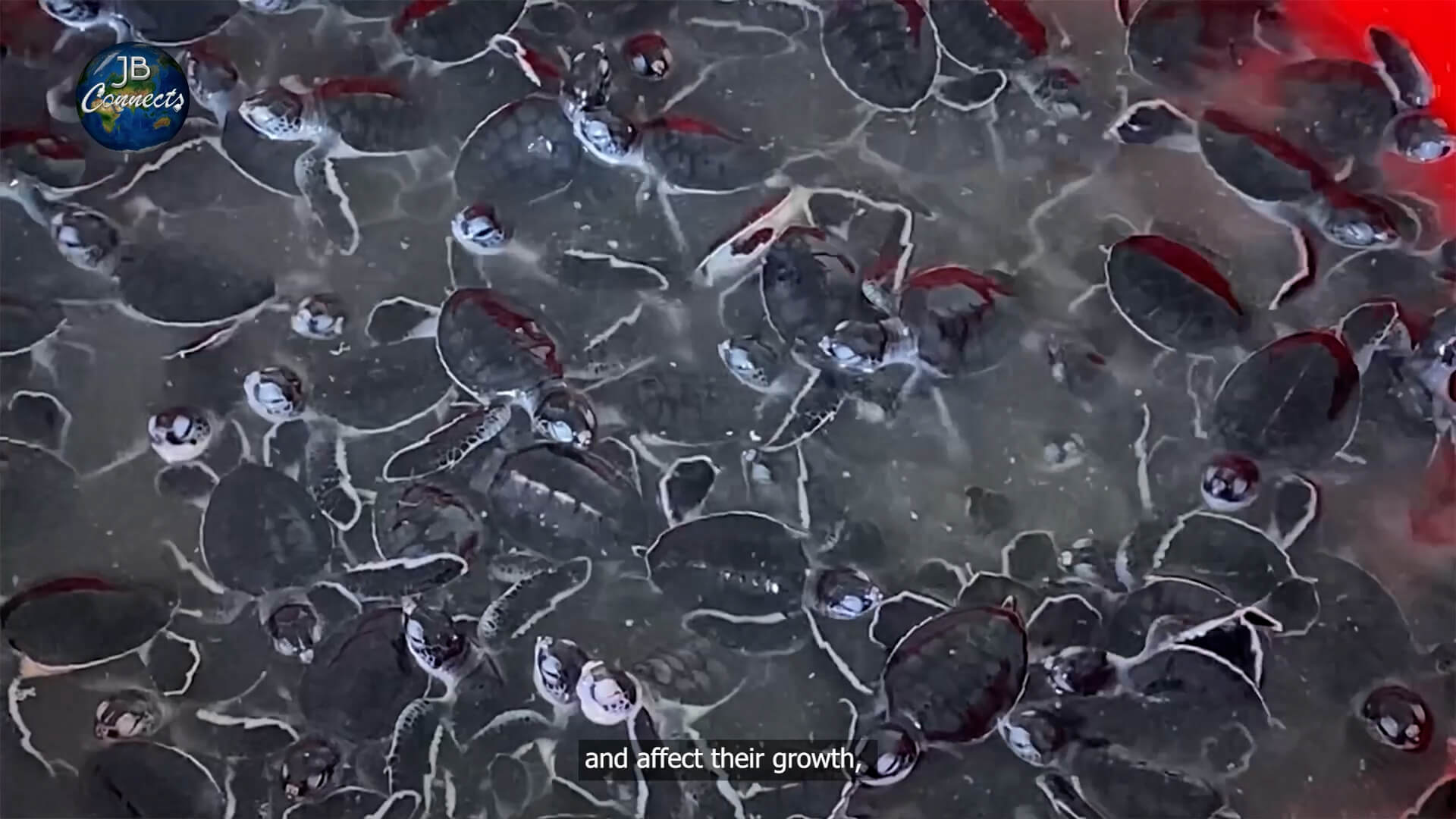
Conservationists say they have rescued 6,000 hatchlings and currently host 22,000 turtle eggs in sanctuaries along the coastal belt.
Volunteers have also been drafted to protect hatchlings in nurseries, ensuring a safe journey to the sea.
Wildlife authorities call for public education so that disappearing turtles don’t end up becoming a stuff of fables told to future generations.