

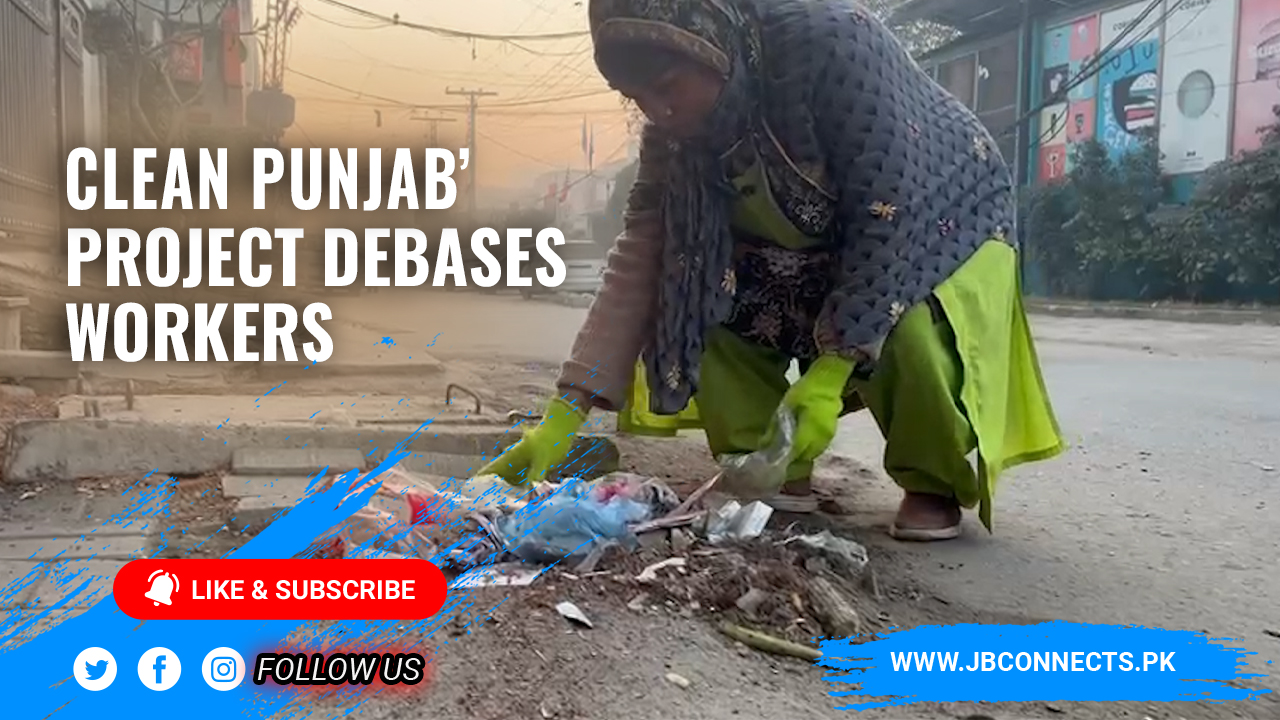
The Punjab government’s “Suthra Punjab” (Clean Punjab) initiative is being described as the first major sanitation reform project of its scale. Across cities, where mounds of garbage once scarred streets and neighbourhoods, visible change is now evident. Sanitation workers can be seen sweeping roads, clearing waste and restoring a sense of order that residents say had long been missing. For many citizens, the project has brought relief and renewed confidence in civic management.
Yet behind these improvements lies a more complex reality. An Amnesty International report highlights serious concerns about the treatment of sanitation workers. Around 44 percent of respondents said they experience humiliation because of their profession. More than half reported health problems including allergies, respiratory illnesses, and chronic cough that is often linked to inadequate protective equipment. Many workers claim they lack proper uniforms and safety kits, increasing the risk of workplace injuries.
Nearly 70 percent also stated they cannot refuse hazardous assignments due to fear of losing their jobs, as most lack permanent employment status. Authorities insist protective gear is being provided and improvements are ongoing. However, human rights advocates argue that true reform must go beyond cleaner streets ensuring dignity, medical support, job security and respect for the workers who make cleanliness possible.
