

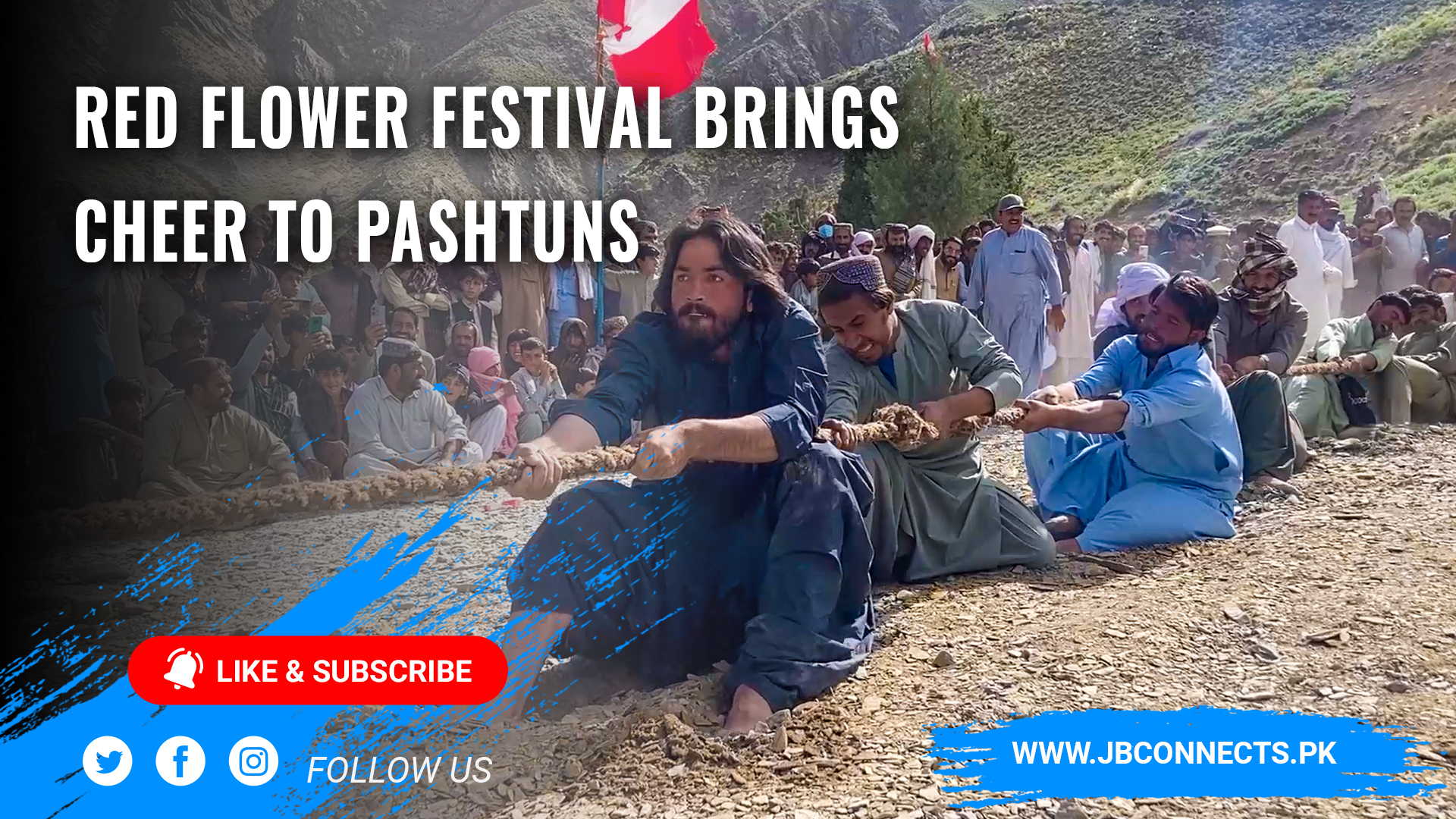
Spring brings to life the remote valley of Koh Kand in Kan Mehtarzai, Balochistan. It is the celebration of Gul e Surkh, a vibrant Pashtun spring festival that marks the end of the harsh winter and the arrival of blooming red flowers. Traditionally held in late April, this one-day celebration brings together hundreds of people from across Killa Saifullah, Quetta, Chaman, Zhob, Loralai, and other parts of Balochistan.
Rooted in ancient seasonal traditions shared across Central Asia, Gul e surkh features local music, traditional games like tug of war and marksmanship, and the warm hospitality of the region’s highlands. It is more than a cultural event it is a moment of collective relief and joy in an area where daily life is often shadowed by political instability, economic hardship, and the lingering effects of conflict.
In recent years, such festivals have become rare due to growing extremism and security concerns. The revival of Gul e Surkh is seen as a peaceful assertion of cultural identity and a step toward reclaiming public spaces for community expression and healing. It also aims to boost local tourism by inviting visitors to connect with the natural beauty and traditions of Balochistan.
As red flowers bloom across the hills, Gul e Surkh stands as a quiet but powerful symbol of resilience, reminding people that even in difficult times, joy, beauty, and tradition endure