

The earth is warming more rapidly than previously thought, with scientists alarmed by the fact that July 2023 became the hottest month on record.
Rising heat waves are rapidly melting glaciers, and generating wildfires, hurricanes cyclones and floods, causing massive loss of life and property throughout the globe.
Pakistan has still not recovered from the floods which devastated parts of Sindh last year.
A year later, families in Mirpurkhas recounted their sufferings.
“We just left with the children; all our other belongings were destroyed,” laments a flood survivor, highlighting the increasing frequency and severity of natural disasters that have struck the region.
MET chief meteorologist, Sardar Sarfraz says that ocean temperatures will continue to rise.
He predicts that the severity of El Niño in 2023 will surpass even that of the devastating 2016 event, amplifying concerns about its potential impact on weather patterns and ecosystems.
Tanveer Arif, CEO of SCOPE, draws attention to the accelerating frequency of cyclones hitting Pakistan.
With the warming oceans, giving rise to the El Niño effect, Sindh narrowly avoided cyclone Biparjoy in June 2023, says Arif.
He warns that as global temperatures rise, regions are expected to experience extreme weather events with greater regularity.
“Huge amounts of rain in some areas will escalate flood occurrences, while others will suffer drought,” the SCOPE environmentalist explains.
Even Pakistan’s temperature is projected to rise by 1-2 degrees above the average by 2050, putting cities like Jacobabad, Sukkur, and Larkana under immense heat stress, he says.
While industrialized countries like the US, China, and Germany are major emitters of greenhouse gases, agrarian based nations like Pakistan, with weak infrastructures bear the brunt.
Japanese environmentalist, Masanori Kobayashi says that apart from desisting from fossil fuel, countries need to gravitate toward renewable energy.
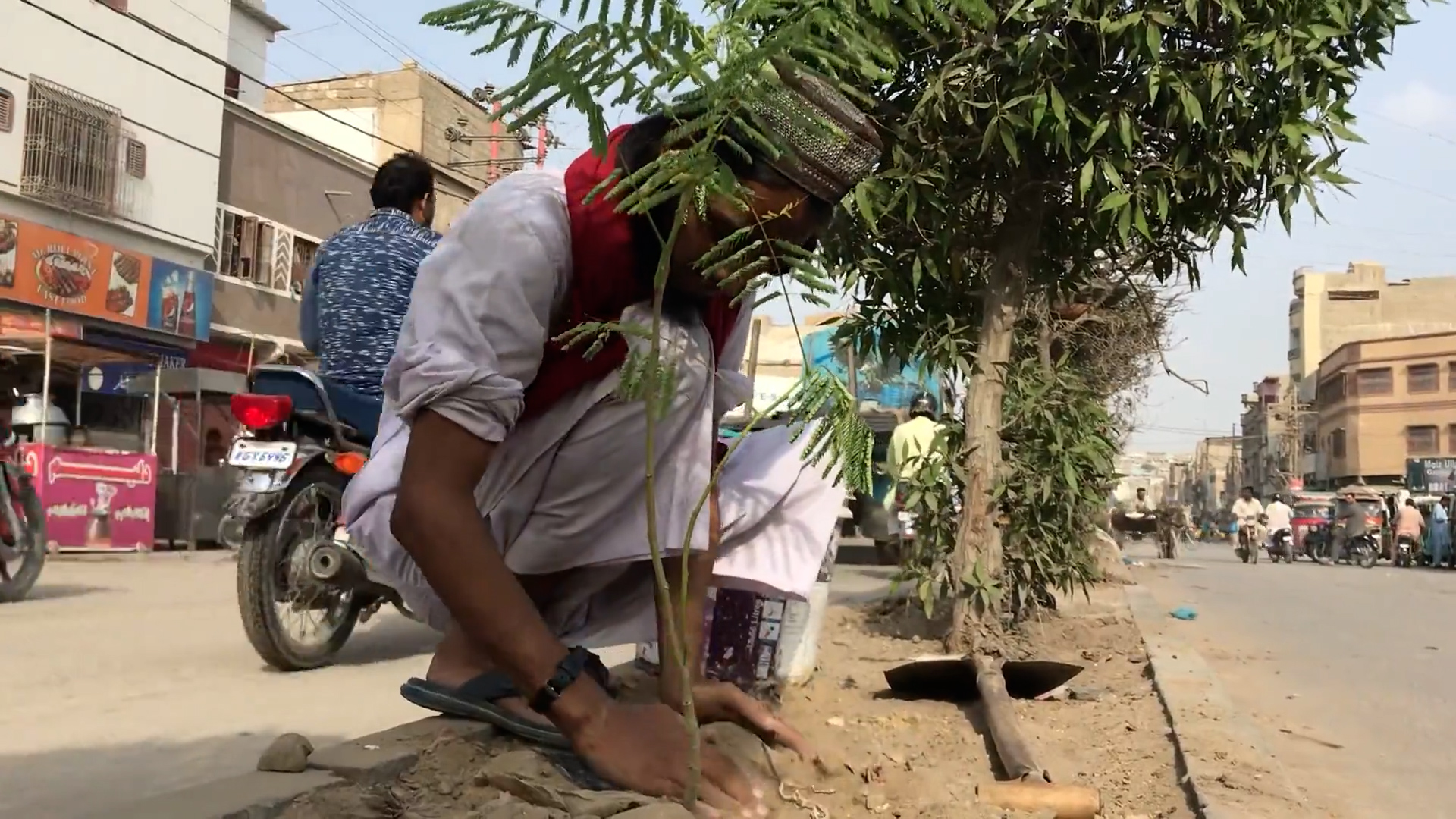
Environmentalists like Sardar Sarfaraz urge a massive reforestation drive to help absorb carbon dioxide and mitigate the effects of the warming planet.
As the world grapples with escalating climate crises, stories from Pakistan’s frontlines serve as a clarion to join hands for a sustainable future.