

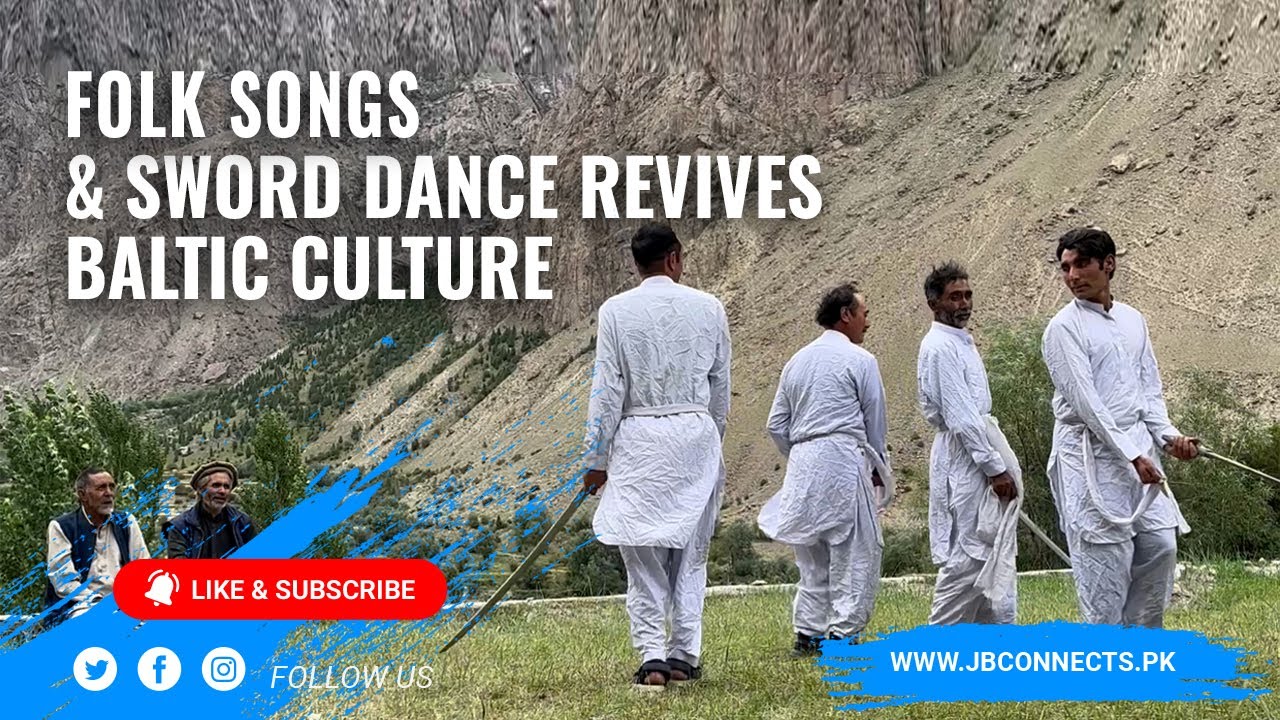
In the remote valley of Hushe, Gilgit-Baltistan, 72year-old Ghulam Ali stands as a living archive of Balti culture. The last custodian of over 70 rare folk songs and 12 ancient dances, he carries within him the memory of a heritage on the brink of extinction. Every winter, when farming rests, he gathers youth to teach them melodies and dances long forgotten elsewhere. His students learn not just an art, but an identity. Culture is survival in the rhythm of the sword dance, in the poetry of Balti songs, lie history, love, and wisdom. Yet, with no government support and fading communal backing, this legacy remains fragile. Social workers warn that once Ali is gone, much of Balti tradition may vanish with him.
Baltistan, often called Adab Baltistan a land of literature, harmony, and shared life owes its soul to such traditions. Ghulam Ali’s plea is simply to support the preservation of this culture, so future generations inherit not silence, but songs of their ancestors.
