

Pakistan inked a $3 billion loan agreement with the International Monetary Fund (IMF), hours before it was scheduled to expire, averting a looming default.
The IMF laid strict conditions for Pakistan that paved the way for revision of the budget, higher interest rates and increases in electricity and gas rates.
In January 2024, the nation was rewarded with IMF’s award of $700 million after the Fund decided that Pakistan was on track with its benchmark agreements.
Coming after protracted negotiations, the government was quick to hail it as a success. The stock market soared, cheered by the prospects of future investments and Pakistan’s commitment to the IMF demand that the rupee dollar parity be allowed to adjust according to market rates.
But the IMF agreement, reached June 30, has sparked debate among economists and concern over the impact of associated austerity measures on the general population.
Michael Kugelman, South Asia Director at the Woodrow Wilson institute in Washington DC contends that the success of the stand-by agreement between Pakistan and the IMF must be weighed against the backdrop of its existing arrangement.
On the positive side, he narrates that the deal has unlocked multi-lateral and bi-lateral loans given by countries, that include China, UAE and Saudi Arabia.
However, he cautions that international investors need a sense of confidence in the existing economic system in Pakistan, which suffers from absence of reform and is plagued by corruption and bureaucracy.
Fueling Controversy: Austerity Hits the Masses:
Prominent economist Shahid Ahmed Siddiqi says that the IMF has called upon Pakistan to raise its sources of revenue by increasing its tax base.
However, he says the government has chosen to generate revenue by targeting the common people, already suffering from high prices.
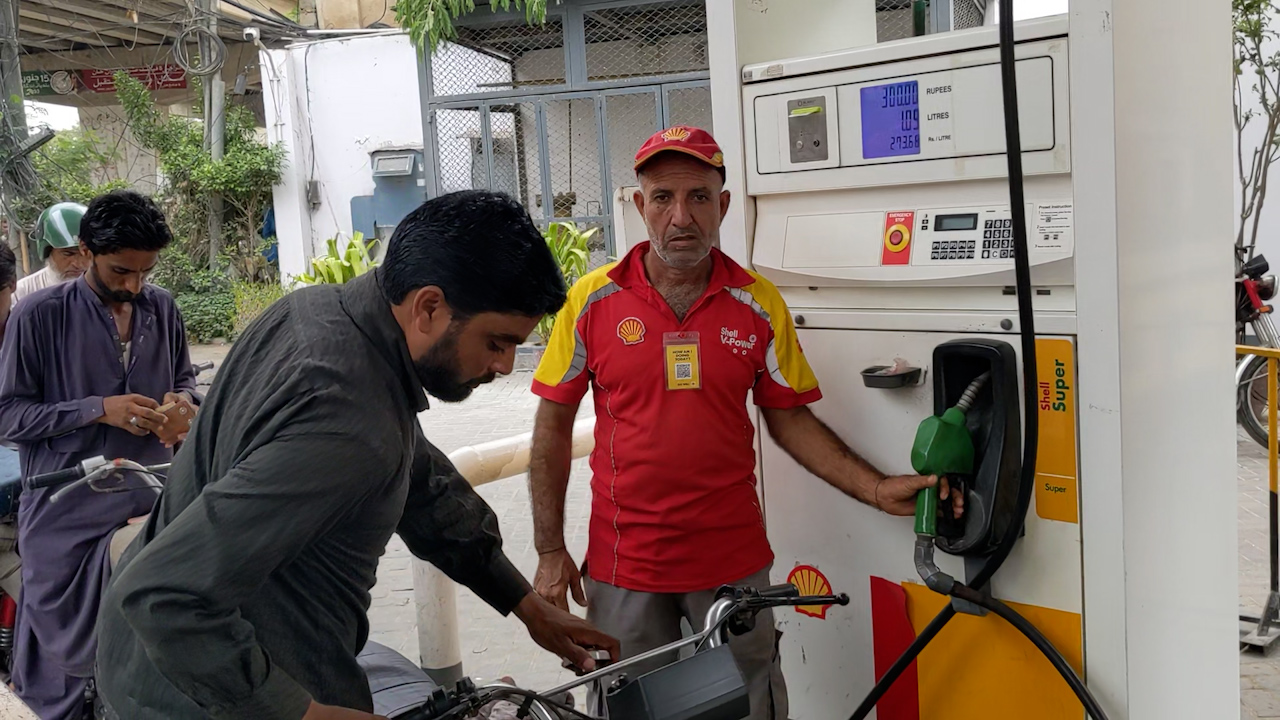
Following the IMF deal, the government imposed steep price hikes in petrol, gas and electricity.
Alliance of Market Association’s chairman, Atiq Mir says that already the markets were badly hurt and barely functioning.
The experts say that raising the costs of production through enhanced tariffs on electricity and gas, there will be a significant drop-in industrial activity and further unemployment.
Undeterred, the caretaker government has followed up with new price hikes in electricity, resulting in raising the costs of transportation and igniting a sense of helplessness and widespread public discontent.
With runaway inflation and no relief in sight, public outrage has mounted against soaring electricity bills and consumers have spontaneously taken to the streets to demand that concessions be given to them in making payments on time.
Road to the Future
The IMF agreement holds significance in the short term, opening doors for international loans and establishing a more secure position for foreign capital in Pakistan.
However, with the worsening of the economic situation, questions arise on how Pakistan can break free from the cycle of seeking IMF assistance.
Attique Mir advocates for lower tax rates for small traders, differentiating between tax filers and non-filers, and an end to privileges for the elite.
Dr. Shahid Hussain Siddiqui emphasizes the importance of economic reforms, improving fiscal indicators, and focusing on sectors like IT and engineering.
Michael Kugelman acknowledges the ongoing burden on the public but offers a note of optimism for the future. He underscores that while present challenges exist, the IMF’s approach hinges on the promise of a brighter tomorrow, contingent on time and economic stability.
As the nation treads the delicate line between fiscal discipline and public welfare, economic experts emphasize the need for comprehensive reforms, self-reliance, and policies that prioritize both financial stability and the well-being of the masses.
The road ahead demands meticulous planning, prudent decision-making, and a holistic approach that ensures Pakistan’s long-term prosperity.
