

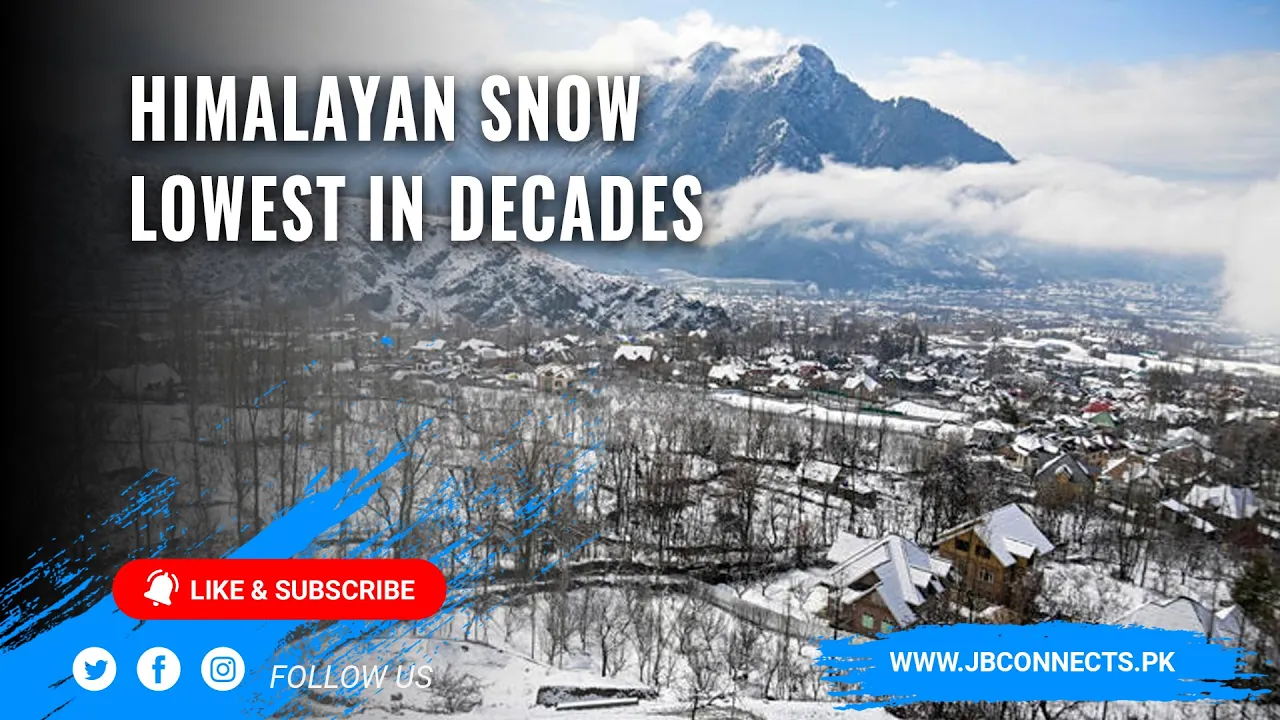
Some 224 glaciers which sustained life in Neelum Valley, Kashmir, are now melting at an alarming pace because of the 2 C rise in temperature caused by industrialization of the last 60 years. One of the most enchanting places on earth, Neelum Valley still boasts white capped mountains and lush meadows. But the beauty of this area could quickly change as glacial loss has already spanned 220 kilometers. If this pace continues, these vital ice reserves could disappear within the next 50 years.
Already the consequences are devastating: floods, water shortages, dying forests, soil erosion, and the collapse of local agriculture and livestock systems. What was once a dreamy landscape is struggling for water sources. At the same time, climatic change has caused uncertainty on when to sow and to harvest. The unpredictably of weather changes also has damaging effects on the fruits and vegetables that were once in plentiful supply.
Neelum Valley’s struggle is not isolated but a global alarm bell. The UN has declared 2025 as the International Year of Glaciers. While an international body that monitors climate change at elevations, (ICIMOD) has found that glaciers are at their lowest in over two decades. This severely threatens water reservoirs in the South Asian and SE Asian region. With over 13,000 glaciers across the Karakoram Hindukush Himalaya region, Neelum Valley plays a pivotal role in South Asia’s water future
