

Pakistan’s largest, sparsely populated province, Balochistan is rich in natural resources like coal, copper, gold, and natural gas. However, this has turned into a tragedy. The failure to reward the locals who sit atop these resources, and grabbing of their land instead – has led to a never-ending state of conflict.
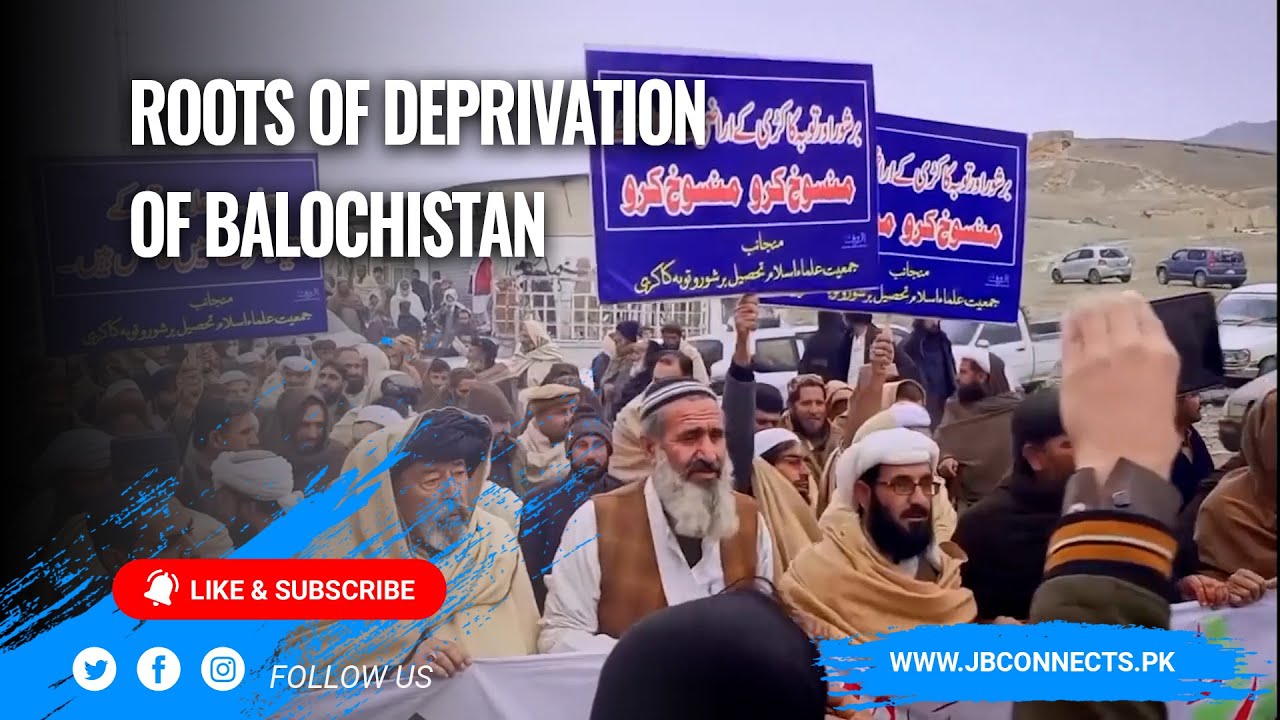
Recently, allegations of illegal land allotments to non-local individuals, particularly in the Barshor area of Pishin district, have sparked protests from local tribes near the Afghan border. These communities fear the loss of their ancestral lands and feel excluded from the benefits of investments.
In 2021, the Balochistan High Court declared 90% of the province’s lands as ‘unsettled’ under Section 50 of the Land Act of 1967, and affirmed the ownership rights of local tribes. Despite this, locals claim that external investors continue to receive preferential treatment, while their own economic and social interests are overlooked. Government officials argue that attracting investment is essential for the province’s development, yet locals believe that a fair, transparent settlement process guided by their involvement is crucial for sustainable progress.
Experts suggest that without genuine inclusion of locals in policy making and resource management, the region’s vast resources will remain a source of conflict. The issue not only affects local livelihoods but also shapes the broader narrative of Balochistan’s relationship with the state, leaving questions of justice, ownership, and development unresolved. At present, everyone is a loser because of the violence that had taken the lives of militants, tribals, armed forces and civilians, and set back plans to develop the resource rich region.
