

Pakistan is grappling with persistent power crisis, characterized by blackouts and load-shedding.
Currently, the nation struggles to keep its oil and gas-powered plants in functioning order, an issue that is compounded by its national debt.
Pakistan has turned toward increasing its power generation capacity by investing in renewable energy sources, like wind and solar power.
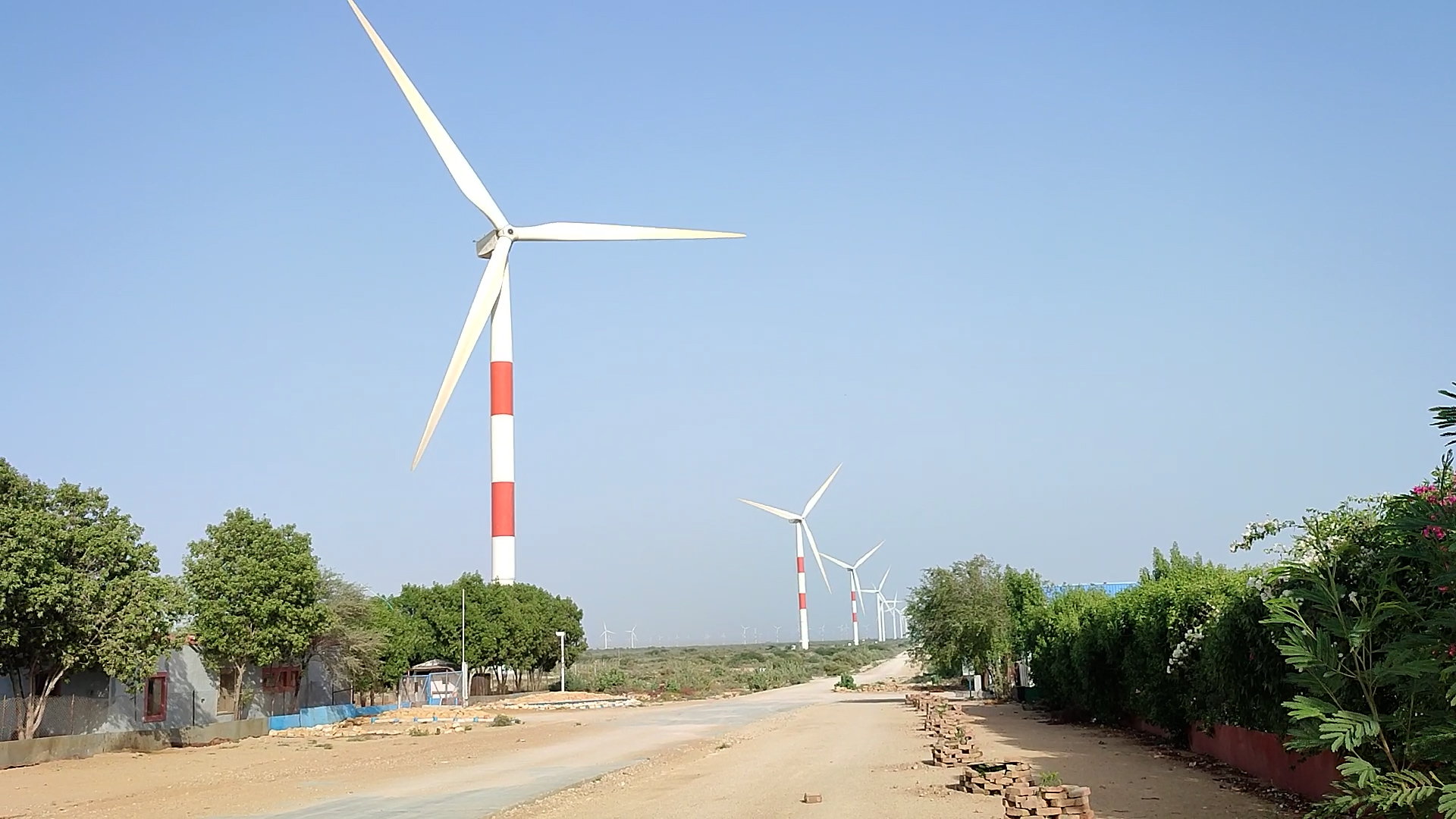
In 2009, Pakistan received help from the Chinese and other regional energy companies in installing over three dozen wind turbines in Jhimper, Thatta (Sindh), to generate renewable energy.
However, systemic problems and the shortage of natural gas have impeded solutions.
An electrical engineer in Jhimper wind power plant, Asim Sahto tells JB Connects that the wind power plant is unable to fulfill its potential because of problems stemming from an aging electricity infrastructure.
He urges the government to facilitate wind power to meet the growing demand for electricity.
Sajad Panhwar, who represents WAPDA employees in Sindh, urges that local communities receive priority when initiating new projects.
Clean Energy
Environmental expert, Javed Rind fully supports the turn to wind power, stressing that it will have a major impact in cleaning our environment.
In his words, Pakistan’s reliance on power plants based on coal and furnace oil discharge carbon oxide into the atmosphere, and pollute the environment.
A lead engineer at Jhimpir Wind Power station, Mohsin Ali says that we have not even scratched the surface of our potential for wind energy.
He estimates that the Jhimpir Wind Corridor has the potential to generate 50,000 megawatts, if proper initiatives are taken.
Inquiries show that the under functioning wind corridor is being further impacted because of the expenses incurred in running on furnace oil.
Presently, a request has been made by K-Electric to the federal government to replace furnace oil with cheaper natural gas.
This may result in even lower transmission of electricity in the coming months.
Internship Opportunities
While Pakistan has made the initial investment into clean energy, much needs to be done to get it to operate at full capacity.
In this context, engineer Mohsin Ali recommends that universities should send students for 3–6-month long internships, which can prepare them for employment in the field of clean energy.
Stake holders are further urging investments in modernizing the power sector, prioritizing renewable energy, and addressing the outdated transmission infrastructure.
These steps are seen as crucial for mitigating the ongoing electricity crisis, powering local industries and jump starting badly needed exports.
