

Pakistan’s banking industry has been riding the digital wave and is currently ranked among its most profitable industries.
Banking profits more than doubled in the first half of 2023, according to a report issued by the State Bank of Pakistan.
Labor leader, formerly associated with Habib Bank, Ltd. Habibuddin Junaidi credits nationalized banks of bygone days for laying the “solid foundation” for modern banking.
He notes that banking is now at the fingertips of consumers.
A manager at Bank Alfalah, Nadeem Dawood has seen banking transform before his eyes.
“We would see long lines of customers outside the banks. People used to queue to pay utility bills.”
The banker has seen the mobile phone industry speed up the change, by introducing mobile wallets like Jazz and Easy Paisa.
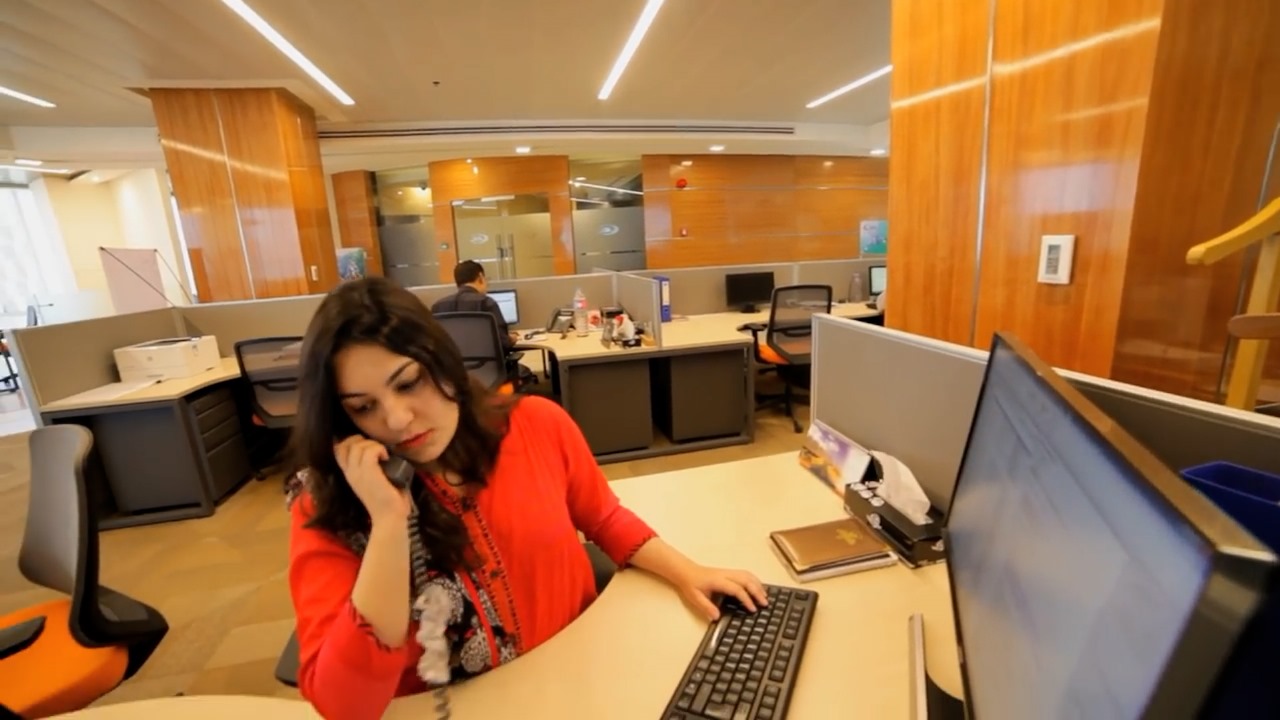
UBL Bank manager Urooba Shakil describes internet banking as “very easy,” and fascinating.
Experienced union leader, Habibuddin Junaidi witnessed competition between the five banks, which for decades dominated the banking industry of Pakistan.
These included Habib Bank Ltd., National Bank of Pakistan, United Bank Ltd, Muslim Commercial Bank and Allied Bank Ltd.
According to Junaidi, the privatization of banks in Pakistan in 1991 turned the competition into a fierce jostling for profits, and the turn toward automation and digitization.
“Currently, there are over 50 types of banks operating in the country – private and public, competing to attract customers,” Junaidi says.
Bank manager Nadeem Dawood maintains that the shift to internet banking also saved costs, which were passed on to consumers.
Shop keeper Sunny Kumar describes the mobile phone as a “small laptop” on which he does all his transactions.
Brandishing his phone, he says “Now my bank is in my hands.”
The downside of privatization and automation has been the retrenchment of employees.
“Today human beings have been replaced by computers,” says labour leader, Junaidi.
Currently, banks have focused on hiring “young people” who have an MBA or a specialty in banking and finance, says UBL banker Waseem Ahmed.
Bankers of the bygone days say they focused on keeping accounts safe and eliminating fraud.
But modern-day bankers dismiss charges that internet banking is unsafe, saying they have instituted multiple online security checks to make it secure.
Currently, banks are opening branches in rural areas where online banking has not fully taken hold and there tends to be more cash dealing.
However, bankers say that the trend toward digitization is now extending to these places, where digital apps and ATMs use the local language for transactions.
