

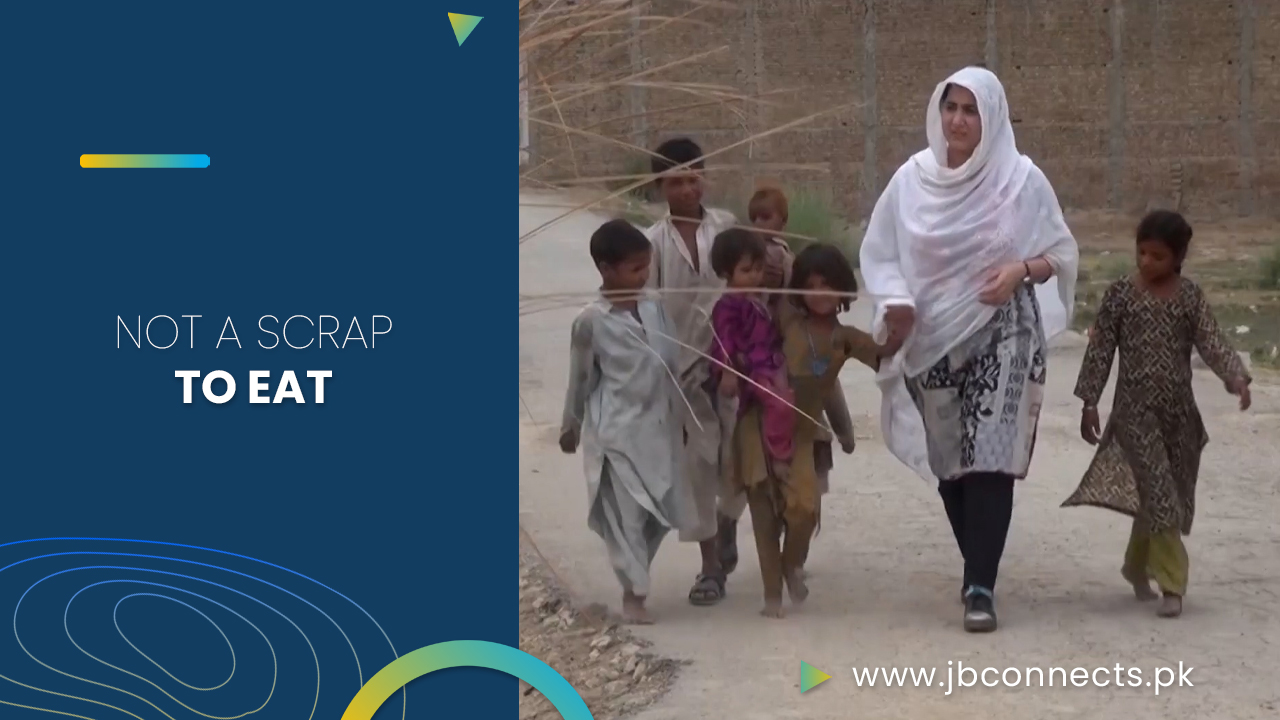
Children, Children Everywhere
Xari Jaleel
When Majeedan Bibi looks back on life, she feels as if all she ever did was bear children. Married off at the age of 16, she was never given a choice about when or how many children she should have. Majeedan, now 50 years old, is the mother of nine children.
With a population of around 240 million recorded in 2023, Pakistan is the fifth-most populous country in the world. The total fertility rate remains relatively high compared to global averages, with around 3.4 children per woman. With such a huge population to deal with, the country faces pressures in several areas such as healthcare and education, employment, governance issues and now a larger impact on climate change.
In Pakistan, like other developing countries, women do not have any place in planning a family. It is their husbands or their in-laws who make this decision for them. They are merely meant to follow, often with their reproductive health and even their lives at stake.
There are various reasons why there are so many children being born in each family. It may be because of the desire for more sons. The logic behind this is that sons will be expected to grow up and earn for the family. The other issue is the lack of use of contraceptives due to insufficient exposure and education, or because of religious beliefs.
Larger families result in financial issues, lack of education, and lack of control among many things. There is often also domestic violence involved in the situation.
Majeedan’s own daughter Sajida is one such example. Sajida’s husband also did not plan a family, neither did he earn. When she asked him to think of financial issues, he sprinkled oil on her and set her on fire. Now Majeedan must take care of those children too.
A large family also means lack of attention given to the upbringing of each child. No one knew what Majeedan’s son Abid was doing each day when he went out – until they discovered he was addicted to drugs. One day, he too overdosed on heroin and died.
But these are not stories which are rare in Pakistan. Thousands of women have stories like Majeedan.
Ayesha* (name changed for privacy) – has struggled with seven children all her life. All the children have been unplanned or accidental. Her husband would not stop forcing her to have children, nor would he properly earn for them.
At the birth of her seventh child, Ayesha had the doctor do a hysterectomy on her. But financial issues forced her afterwards to resort to sex work.
Each of these issues is only representative of what the country encounters.
The country’s economy is under severe pressure because of overpopulation; the increasing population levels are also causing a rise in the need for utilities and resources which it does not have.
Moreover, higher populations leave a carbon footprint and are one of the reasons why global warming is on the rise.
