

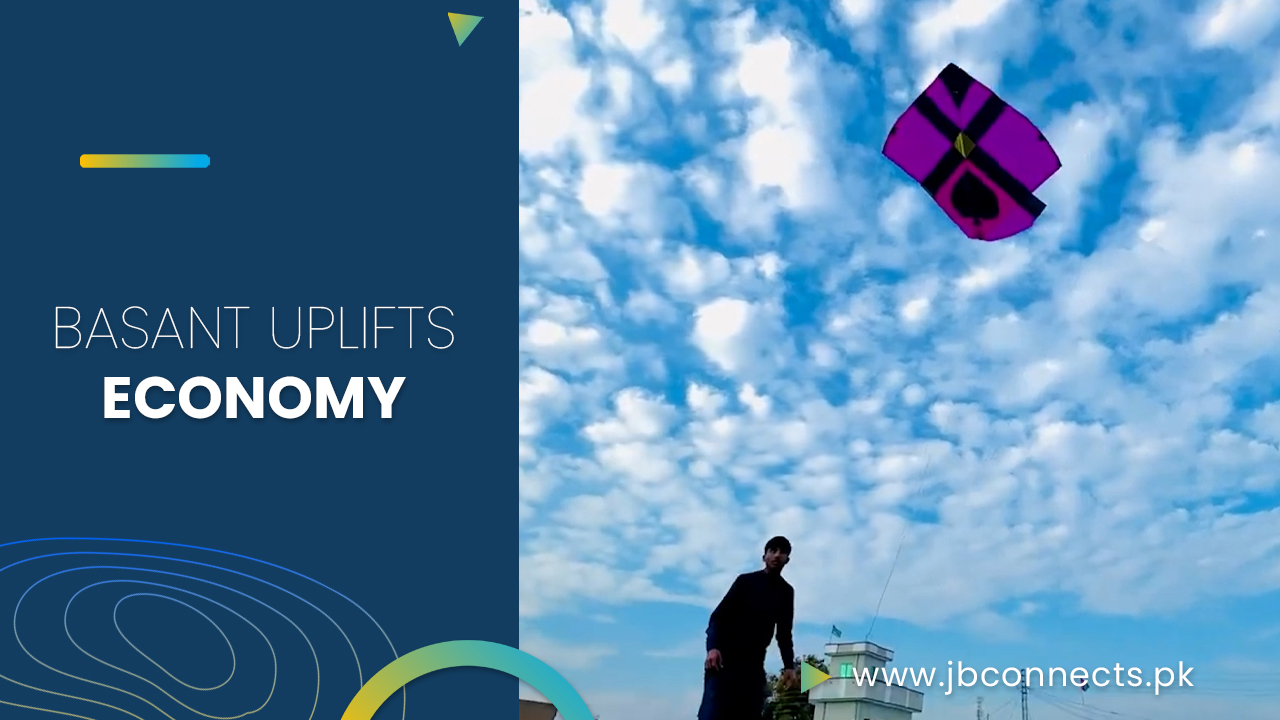
Not Just Kite Flying
By Xari Jalil
A part of Lahore’s culture, Basant – the spring festival of kite flying – has been celebrated for decades, specifically in the Punjab region.
But, in 2007, the festival was banned because of serious injuries and deaths caused by a dangerous type of kite string made of metal wire or coated in roughly ground glass and metal filings. In the beginning, it was not easy to stop people from indulging in this happy festival, which involved music, food and get-togethers. Guests from other countries would visit Pakistan only to experience the event. The hotel and food industries boomed, and foreign investments were imminent.
But severe crackdowns by the police each year has eventually led to the festival fading away. Those involved in kite making and kite flying insist that the crackdown has been on the wrong people: the criminals are actually those who are involved in manufacturing and selling chemical string – a lethal combination of nylon wire-string, heavily coated with roughly-crushed glass and metal filings, and sold cheaply. These elements still operate. These are the very strings that are the cause of so many injuries and deaths.
But instead the government has been focusing on those flying kites. People are now afraid to go to their roofs in case they are suspects for kite-flying during the season, says a veteran kite maker.
Over time, the industries that this festival supported have suffered immense losses while those that worked as craftspeople – entire families who made a living making kites and strings by hand, have now been reduced to a hand-to-mouth living. Women home-based workers could work comfortably within the confines of their homes. Some of them now walk the streets in desperation looking for other type of work.
Members of the Safe Kite Flying Association of Punjab argues that there are more deaths due to road traffic accidents in a year across Punjab, than because of kite flying. Meanwhile, Mian Yousaf Salahuddin, socialite, philanthropist and patron of the art and culture of Lahore, has tried his best to convince successive Punjab governments to revive the festival in a safe manner, but in vain.
