

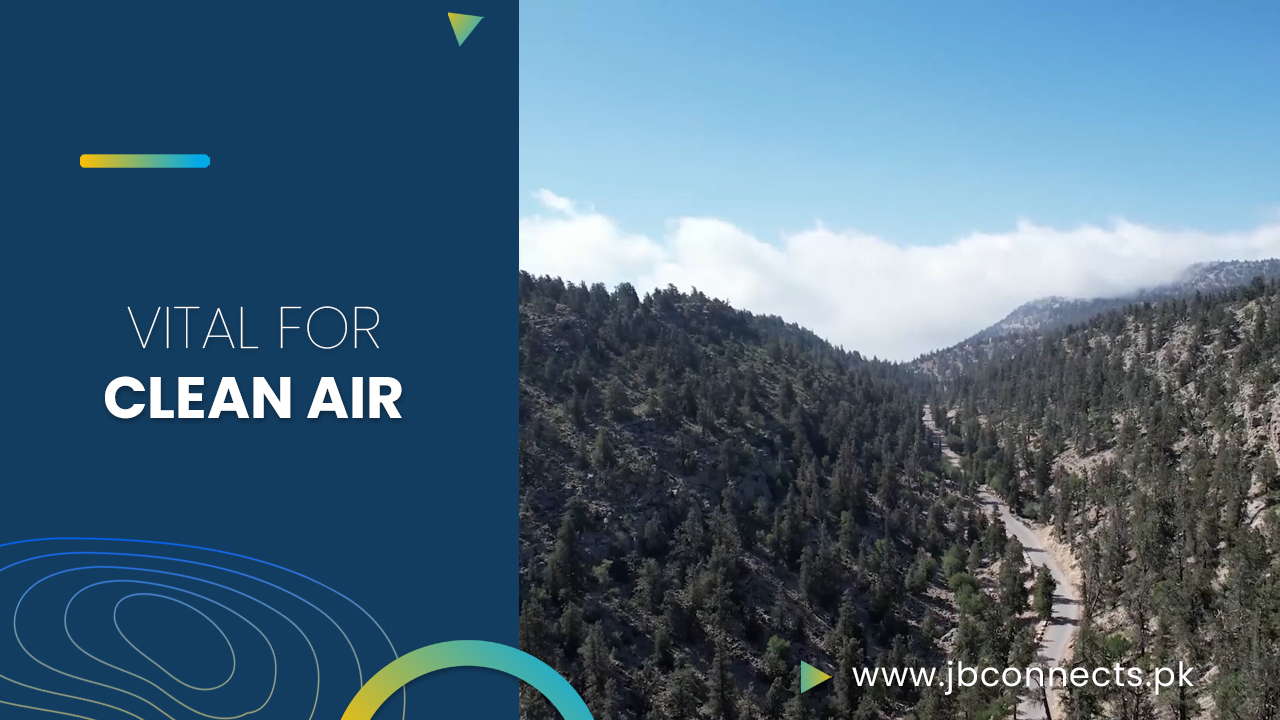
Pakistan is on the verge of losing the Juniper Forest in Ziarat, Balochistan, which is among the oldest and largest forests in the world.
The trees are termed as “living fossils” because they can live more than 3,000 years. The main threat to the 247,000-acre Juniper forest in Quetta is the cutting down of trees for firewood. Absence of access to natural gas has forced residents to resort to this measure.
Most areas here are still deprived of basic facilities, which is why tree cutting is clearly visible in many places. In 2013, the UNESCO International Coordination Council included Ziarat in the list of biosphere reserves.
In 2021, the Balochistan government also declared Ziarat a third national park. with the onset of the winter season and the first snowfall, tourists start arriving in Ziarat Valley – located just 130 kilometers from Quetta.
The Forest Department claims that several individuals involved in cutting down forests have been punished under the Balochistan Forest Act. However, they admit that shortage of forest guards in the vast Ziarat region is one more reason why this forest reserve fails to be protected.
Covering an area of 110 thousand acres, this natural forest is considered the second-largest forest for pine trees of its kind. Juniper is counted among the slowest-growing trees, which, according to experts, increases by about 100 centimeters annually.
